June 15, 2026
Maintaining a residential wastewater system requires consistent attention and a deep understanding of long-term property investments. Many homeowners overlook the absolute necessity of routine care until a major failure disrupts their daily lives and completely drains their bank accounts. Implementing a proactive routine centered around professional septic tank pumping prevents major disruptions, protects the surrounding environment, and preserves valuable household financial resources over time.
Understand the Basics of Septic Systems
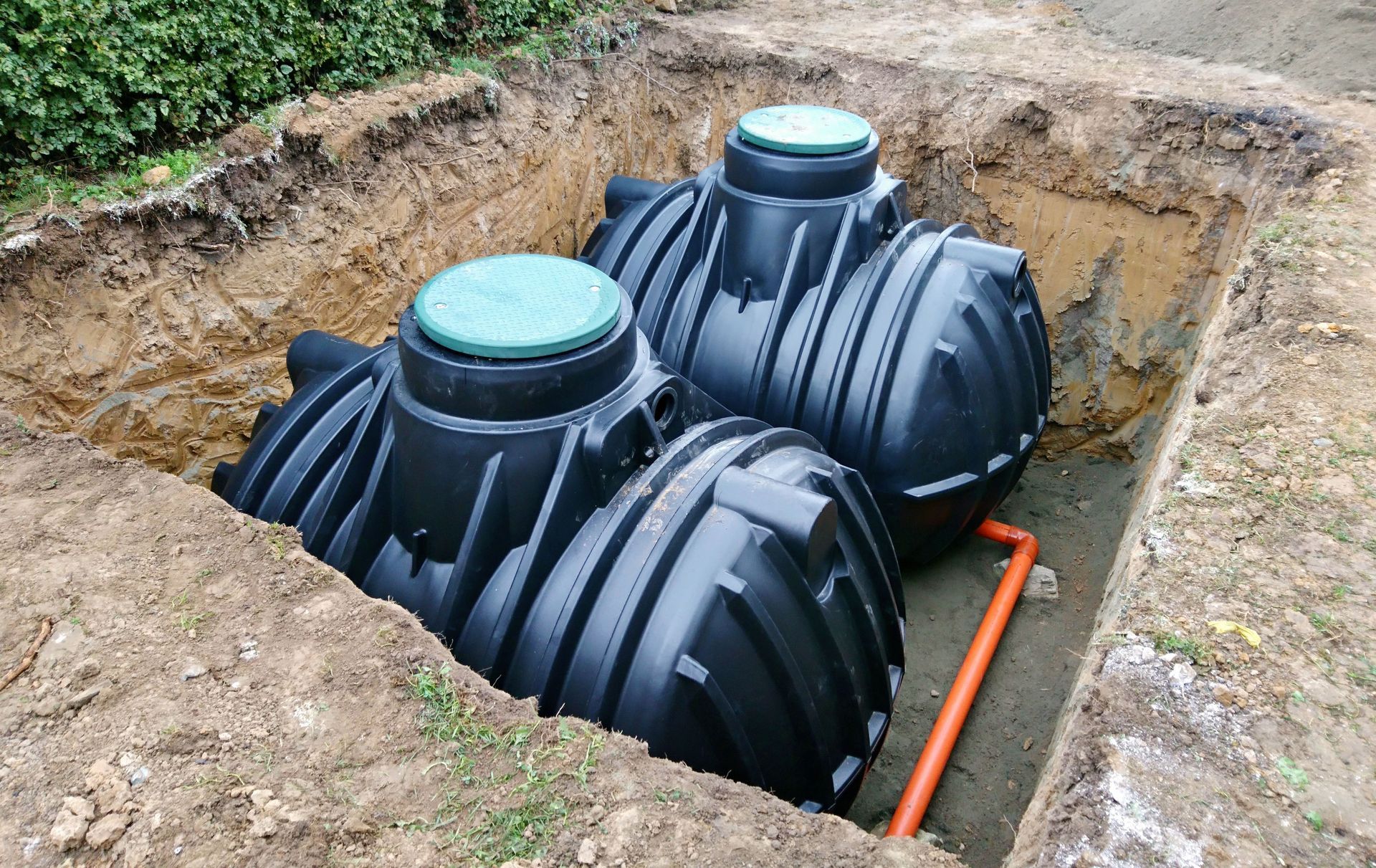
An underground wastewater system serves as an independent sewage treatment facility for properties lacking access to municipal lines. This self-contained setup collects and treats household waste right on your property, providing an efficient waste management solution for suburban homes.
The infrastructure relies on separate components working together, specifically a large holding container and a dedicated soil absorption area. The main container captures incoming waste, allowing heavy matter to sink while liquid safely moves into the soil network.
Biological processes within the container utilize natural bacteria to decompose organic matter continuously. Incoming waste separates into distinct layers, consisting of dense bottom sludge, top grease scum, and a middle layer of clarified liquid effluent that flows outward.
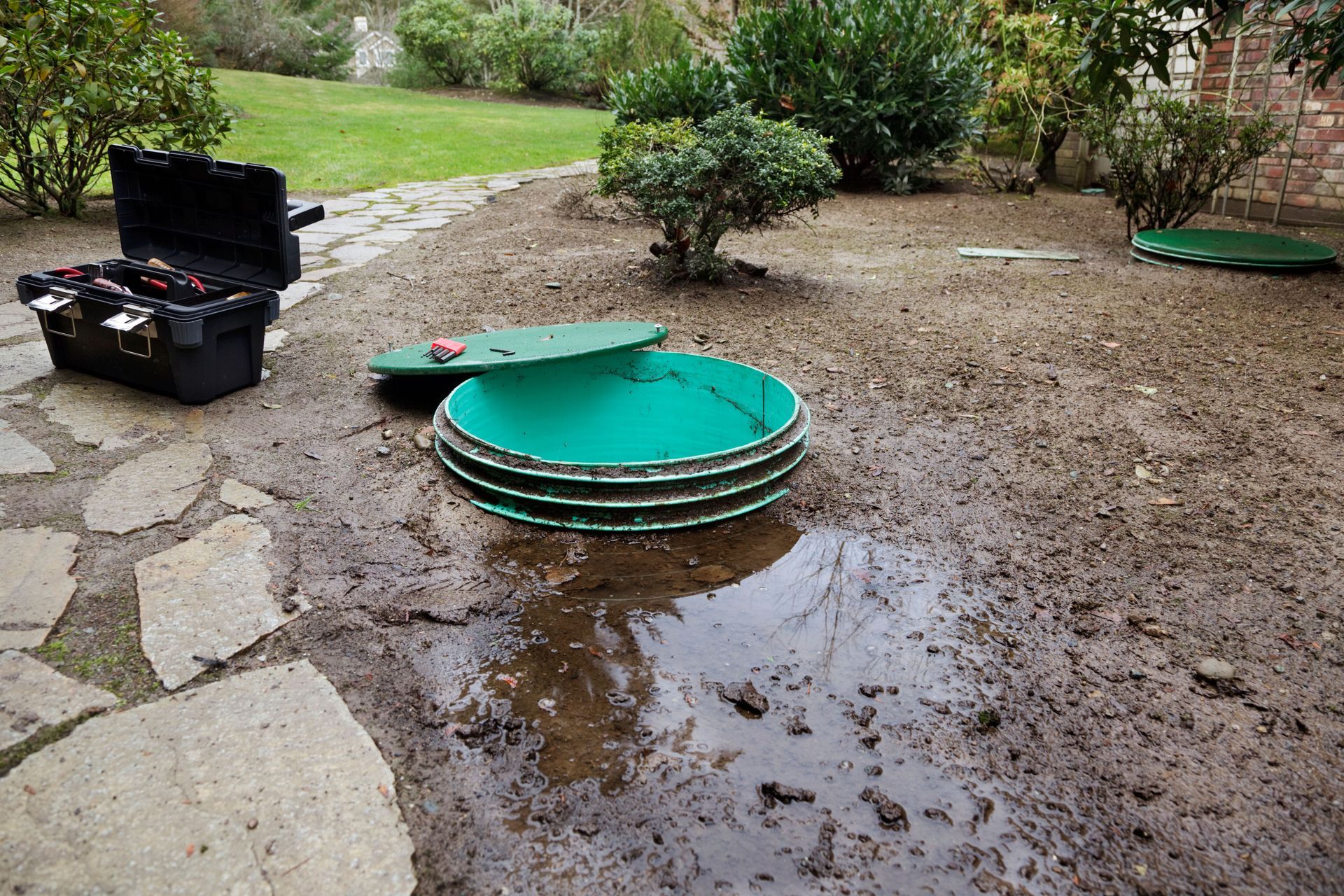
Postponing necessary operational upkeep leads directly to severe system failures, including total blockages and messy plumbing backups. When solid waste fills the container, it begins spilling into the soil absorption lines, clogging the filtration pathways entirely.
Property owners can identify an overloaded system by watching closely for clear signs like sluggish drains and persistent foul odors. Recognizing these early warning indicators and scheduling timely septic tank pumping allows for quick professional intervention before minor issues escalate.
Recognize the Financial Costs of Neglect
Ignoring the clear need for regular septic tank pumping results in sudden plumbing emergencies that carry exorbitant service fees and stressful disruptions. Emergency technicians charge premium rates for rapid remediation services, creating unbudgeted expenses that easily strain your family budget.
System overflows cause extensive damage to the surrounding landscape, structural foundations, and nearby residential property areas. Flooding wastewater ruins expensive landscaping and weakens concrete foundations, demanding specialized biohazard cleanup and costly physical property restoration processes.
An unmaintained waste management system drastically reduces the overall market value and general appeal of a residential property. Savvy buyers always require rigorous inspections and refuse to purchase homes with documented utility defects or failing septic infrastructure.
Total failure of the subterranean infrastructure necessitates complete system replacement, which demands a massive financial investment from the homeowner. Designing and installing a new container and absorption field requires significant capital and disrupts normal water usage.
Failing waste systems create severe health hazards by exposing families and local communities to dangerous pathogens and bacteria. Contaminated runoff can seep into local groundwater supplies, causing serious illnesses and introducing unexpected healthcare expenses for residents.
Realize the Benefits of Routine Maintenance
Scheduling regular septic tank pumping significantly extends the operational lifespan of the entire subterranean waste management infrastructure. Removing the heavy layer of accumulated sludge prevents structural strain on the internal components of your domestic system.
Routine waste removal ensures that your household plumbing network continues to function at peak efficiency without unexpected slowdowns. Clarified wastewater moves freely, ensuring that toilets flush reliably and drains clear rapidly to minimize daily inconveniences.
Preventing severe blockages within the absorption field requires timely removal of solid waste from the container. According to HomeGuide, specific elements such as individual tank capacity, the total number of household residents, and daily water consumption habits dictate how frequently a system requires maintenance within a standard three to five year window.
Protecting local ecosystems represents a major environmental advantage of maintaining an efficient domestic waste treatment system. Proper containment ensures that harmful pathogens do not leach into nearby streams, ponds, or local wildlife habitats around the property.
Investing in consistent operational upkeep grants property owners invaluable peace of mind regarding their essential home utilities. Knowing that your system receives regular professional attention removes the constant worry of sudden failures or messy backups.
Determine the Optimal Schedule for Service
Several variables influence how quickly a holding container fills with solid waste material. The dimensions of the container, the volume of wastewater generated daily, and the specific items entering the drains affect the accumulation rate significantly.
The overall physical volume of your holding container establishes the baseline frequency for necessary maintenance interventions. Smaller residential units have limited storage capacity and require frequent attention to prevent solid matter from overflowing into drainage fields.
The number of residents living in a household directly impacts the volume of waste entering the system daily. Larger families generate more wastewater through frequent laundry and dishwashing activities, which accelerates sludge accumulation over time.
Consulting experienced industry professionals provides homeowners with customized insights tailored to their specific system requirements. Technicians evaluate soil composition and look at usage trends to provide accurate, reliable recommendations for long-term system care.
Establishing a structured calendar for periodic tank cleanings guarantees consistent care and prevents accidental oversight. Documenting past service dates and setting future reminders creates an organized approach that spreads maintenance costs predictably over time.
Review Essential System and Plumbing Services
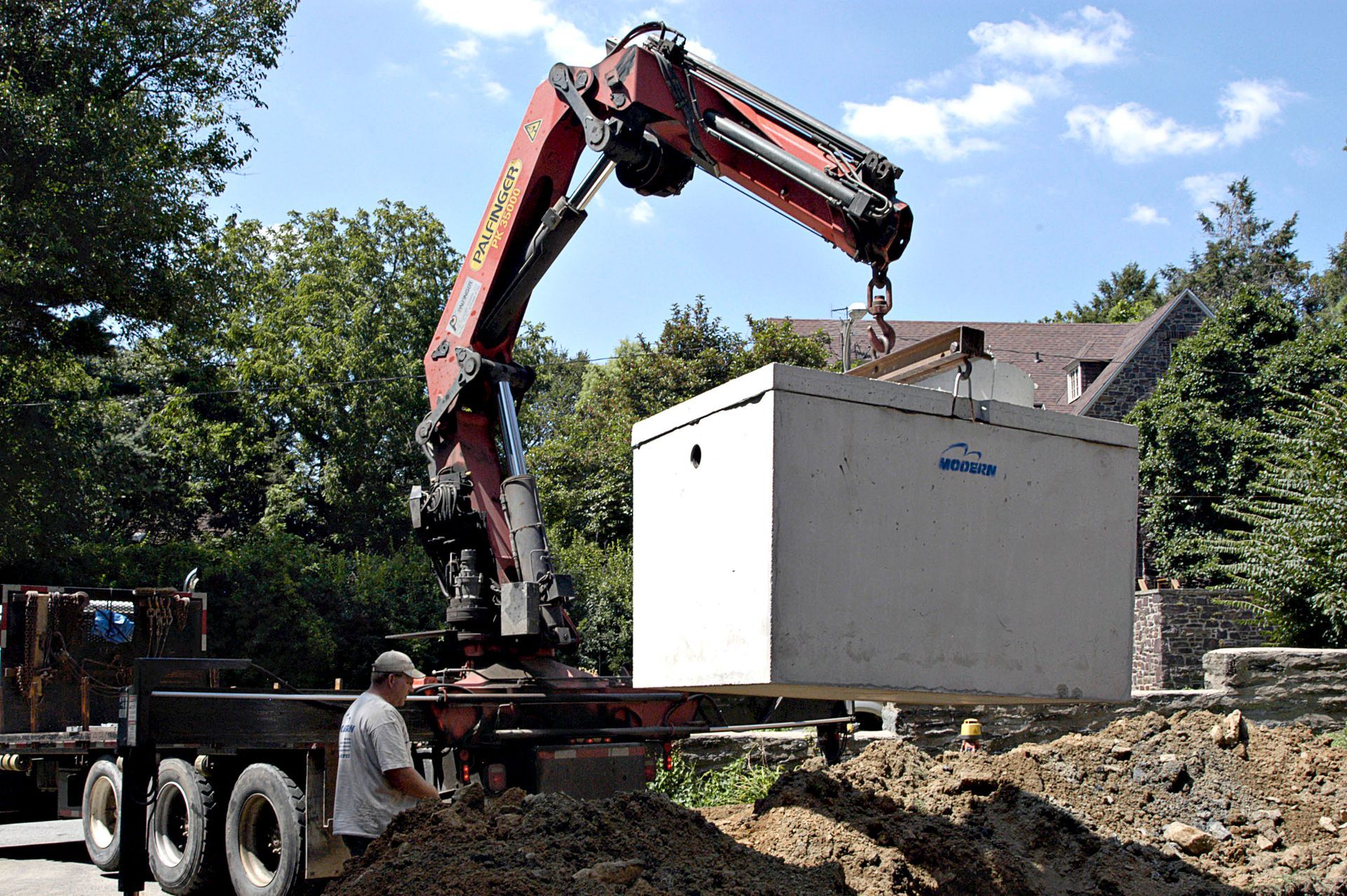
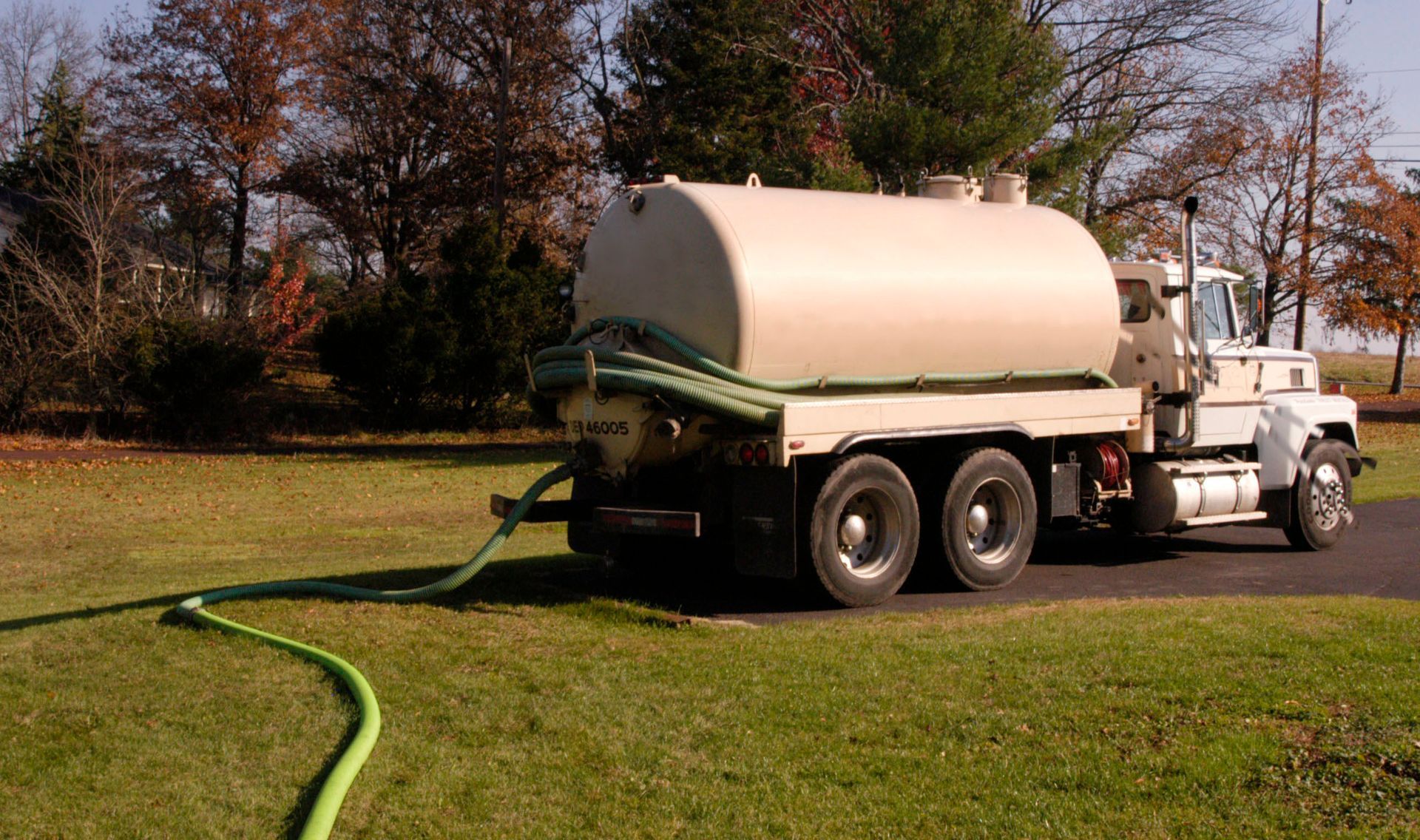
Routine septic tank pumping removes accumulated solids to maintain proper system holding capacity. Expert technicians perform complete septic tank installations to ensure environmental compliance and efficient long-term waste management.
Prompt septic tank repairs fix broken internal baffles, cracked lines, or structural leaks before serious emergencies occur. Utilizing specialized septic treatment solutions further enhances internal breakdown processes, introducing helpful enzymes that support natural waste-digesting bacteria.
Real estate transactions often require official septic tank inspection letters to verify infrastructure health. Certified professionals evaluate the entire network, providing documented proof of operational efficiency that satisfies strict regulatory guidelines and reassures prospective buyers.
Home utility care extends indoors to critical systems like traditional and tankless water heaters. Professional technicians diagnose broken heating elements, perform routine sediment flushings, and install energy-efficient replacements to guarantee a reliable hot water supply.
Complete plumbing services address every aspect of your household water network.. Entrusting these systems to experienced experts ensures seamless operational harmony between indoor fixtures and outdoor waste infrastructure.
Securing complete plumbing services addresses every distinct aspect of your broader household water network, from fixing minor faucet drips to clearing stubborn mainline clogs. Entrusting your entire infrastructure to versatile industry experts ensures integration between indoor and outdoor waste systems, protecting your property and enhancing daily living conditions.
Maximize the Long-Term Financial Returns
Committing to a routine schedule for septic tank pumping drives down the frequency and severity of expensive long-term utility repairs. Catching minor structural defects early prevents them from developing into system-wide mechanical failures over time.
A documented record of consistent waste system maintenance significantly boosts the market appeal and value of a home. Buyers view a well-documented wastewater system as a sign of diligent property stewardship and structural health.
Preventing environmental pollution around your property translates directly into tangible financial savings for the household. Clean operation avoids costly environmental remediation fines, community sanitation fees, and property devaluation caused by hazardous soil contamination.
Comparing the predictable costs of preventative care against the chaotic expenses of crisis management reveals clear financial advantages. Routine maintenance fees are modest and easily absorbed into an annual household budget without causing financial strain.
Maintaining optimal waste system functionality directly enhances daily living conditions and preserves a healthy home environment. Well-regulated systems eliminate foul structural odors, prevent slow plumbing fixtures, and ensure consistent wastewater drainage throughout the entire property.
Implementing a regular schedule for
septic tank pumping remains an essential practice for protecting your property infrastructure and stabilizing your household budget. This preventative strategy keeps your plumbing network running flawlessly, protects the local environment from biohazards, and eliminates the threat of catastrophic replacement costs. Contact us today so we can manage all your ongoing maintenance needs at Kevin's Septic and Plumbing Service.