September 25, 2026
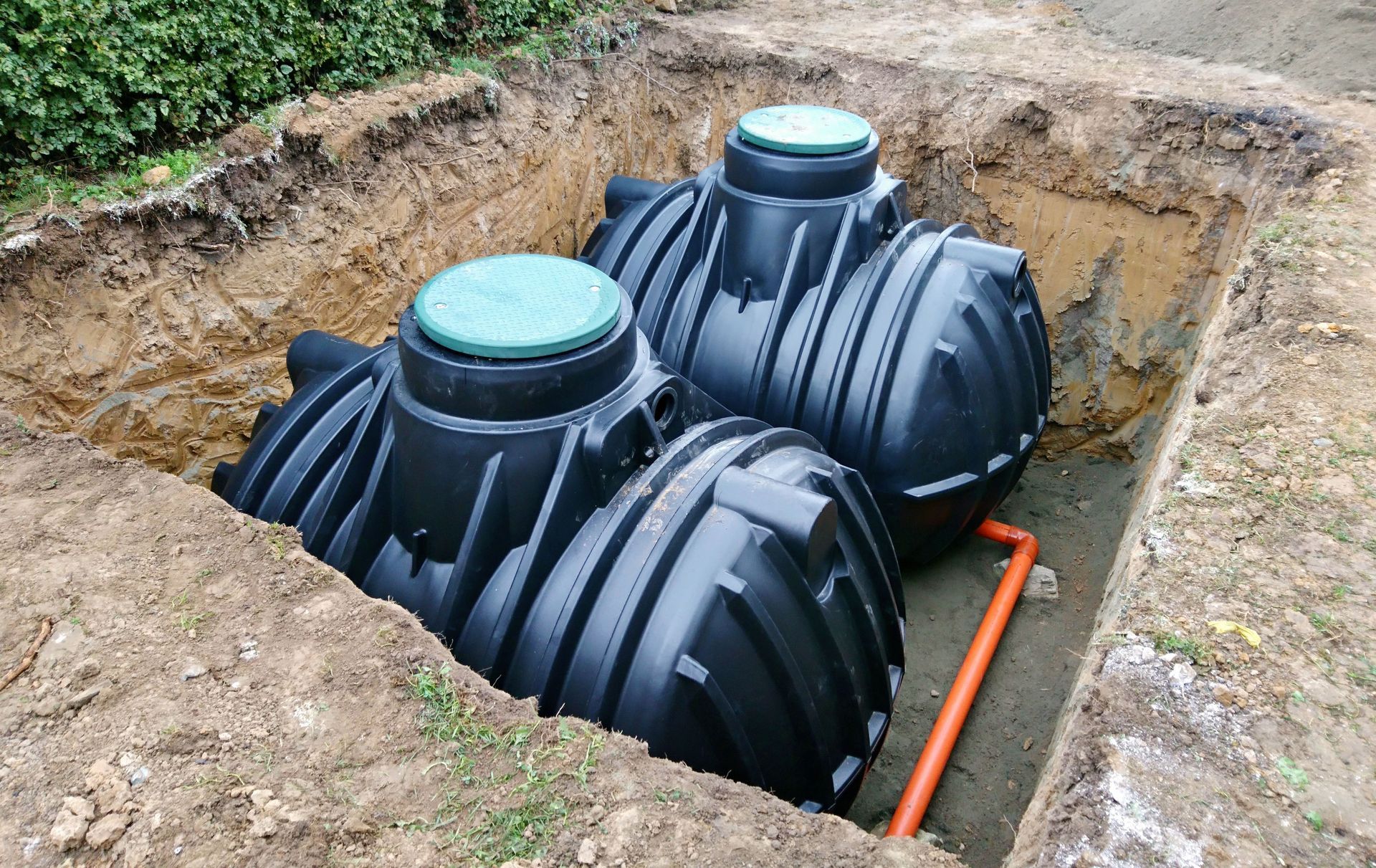
Every home equipped with an underground waste management system relies on a delicate balance of biological processes and mechanical capacity. Wastewater flows from your sinks, showers, and toilets directly into a heavy containment unit hidden beneath your lawn. Inside this container, solids settle to the floor while lighter oils and grease float to the surface. The liquid layer between these two zones eventually flows out into a dedicated drainage field. However, solid waste remains trapped indefinitely until physical removal occurs. Skipping routine septic pumping allows these accumulated solid materials to occupy more room than intended. As space shrinks, raw sewage has nowhere to go, creating severe functional issues across your entire plumbing setup.
When solids build up past safe operational levels, the liquid capacity of the holding tank decreases dramatically. This loss of physical space forces incoming waste through the system far too quickly. Biological bacteria inside the container need sufficient time to break down organic matter before effluent leaves the structure. Without adequate residence time, undegraded solids spill over into the exit pipe and migrate directly toward the absorption area. Once solid debris enters the surrounding soil pipes, severe clogging takes place. Protecting your property from this cascade of mechanical failures requires dedicated scheduling and attention to capacity limits before emergency symptoms surface throughout your home environment.
According to Today's Homeowner, a standard household will need their tank pumped every three to five years, but large families of more than five people should plan on paying for pumping every two to three years.
Recognizing the Early Warning Indicators Inside Your Home
Ignoring maintenance schedules inevitably produces noticeable warning signs around your daily living space. One of the earliest indicators involves sluggish drains across multiple fixtures simultaneously. When a single sink drains slowly, local pipe blockages are usually responsible. However, when toilets, bathtubs, and kitchen basins fail to clear quickly at the same time, liquid is meeting resistance deep within the main storage infrastructure. Ignoring these subtle signs allows internal pressure to build within your pipe network. Proper septic pumping clears these blockages before wastewater reverses direction completely.
Unpleasant odors represent another common symptom of systemic neglect. As sewage accumulates near maximum capacity, noxious gases force their way backward through indoor drain traps and vent stacks. These foul smells often concentrate near bathroom fixtures or around the physical location of the underground tank outdoors. Additionally, unusual gurgling noises emanating from toilets after running laundry appliances signal trapped air and rising liquid levels. Addressing these indicators promptly prevents total system failure and protects your living area from hazardous biological exposure that requires extensive structural remediation.
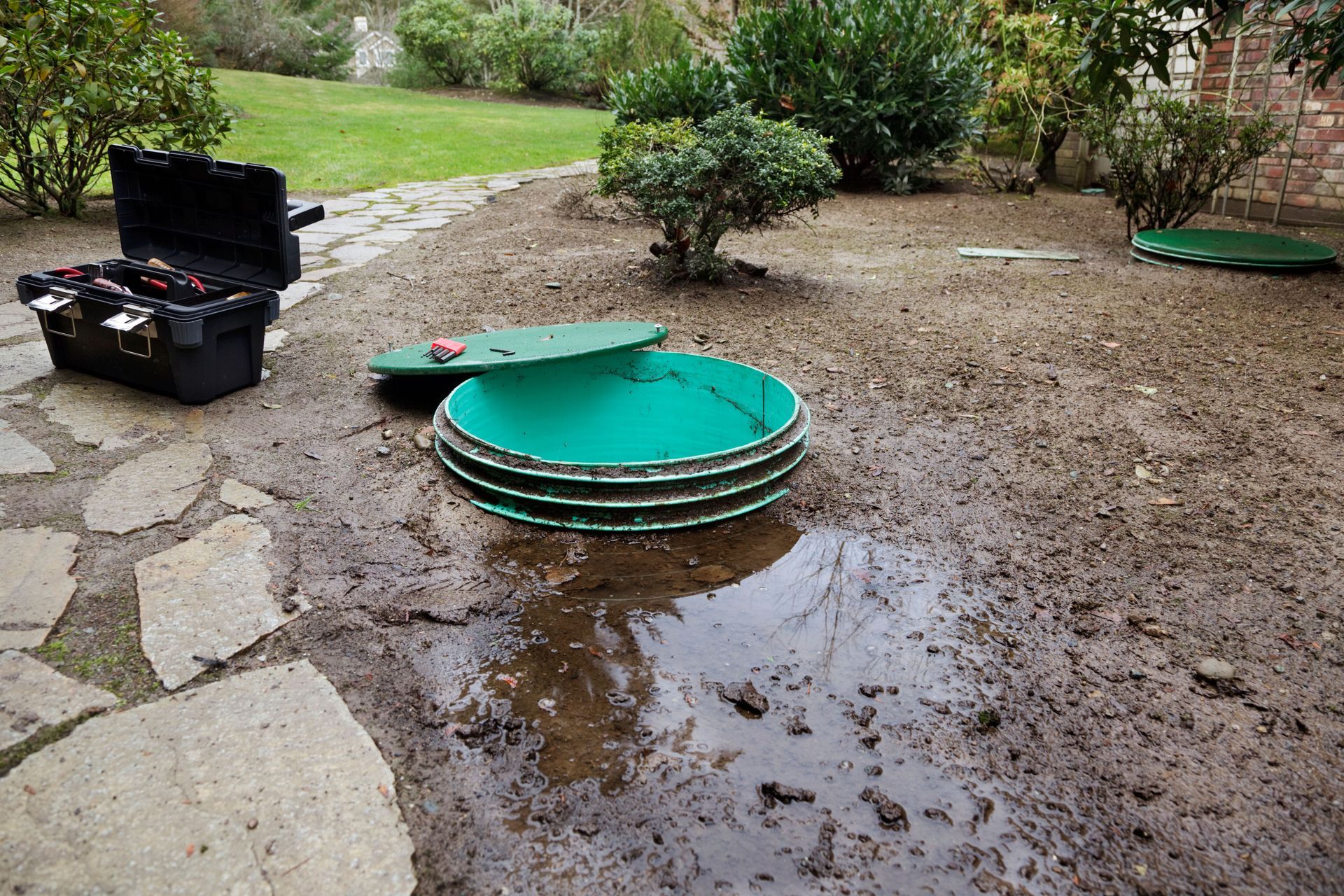
Over time, these subtle indoor warnings progress into visible landscape disruptions if physical waste levels are left unaddressed. Homeowners may notice patches of grass above the buried tank growing remarkably greener and faster than neighboring areas. While vibrant turf appears attractive initially, this lush growth occurs because oversaturated nutrient-rich effluent leaks close to the surface. Furthermore, soggy patches or standing water puddles appearing in your yard during dry weather indicate severe overflow conditions. Scheduling prompt septic pumping resolves subterranean backup issues before dangerous raw waste breaks through topsoil layers.
Facing the Environmental and Financial Consequences of Neglect
Failing to clean out underground waste storage creates severe financial burdens that far exceed routine operational costs. When solid waste escapes into the absorption area, soil pores become permanently clogged with sludge. Once a drainage field fails, basic maintenance procedures can no longer restore proper function. Homeowners facing complete drain field collapse must finance total system replacements, which involve heavy excavation equipment, engineering permits, and expensive property restoration. Investing in timely septic pumping preserves existing infrastructure and saves property owners thousands of dollars in unnecessary construction expense.
Environmental contamination presents another catastrophic consequence of unmaintained sanitation systems. Overfilled tanks leak untreated effluent containing harmful pathogens, nitrates, and household chemicals into surrounding soil layers. This contaminated liquid easily migrates into underground water tables, posing direct health risks to nearby wells and local ecosystems. Furthermore, surface backups pool standing sewage on top of lawns, creating hazardous conditions for children, domestic pets, and neighboring properties. Regular cleanings eliminate these ecological risks and ensure your property remains safe and compliant with local health standards.
Property value depreciation is another major penalty associated with deferred maintenance schedules. During real estate transactions, prospective buyers always request comprehensive inspector evaluations of private utility systems. Evidence of structural neglect, sluggish drain fields, or skipped clearings immediately reduces market value and halts home sales. Professional inspectors can easily detect thick sludge buildup and deteriorated baffles caused by neglected waste management. Prioritizing routine septic pumping provides official record documentation that reassures buyers and protects the long-term equity you have accumulated in your home property.
Understanding the Internal Component Damage Caused by Solids
Inside the underground container, structural components depend on clear pathways to regulate fluid movement smoothly. Key items like inlet and outlet baffles keep floating grease scum and heavy solid sludge separated from outgoing liquid streams. As solid material layers grow exponentially over years of continuous household use, these protective baffles suffer physical displacement and corrosion. Excessive waste levels put physical weight against plastic or concrete partitions, leading to structural breakage inside the tank walls. Timely septic pumping restores safe clearance around internal mechanisms and stops structural parts from wearing down prematurely.
In addition to baffle deterioration, effluent filters suffer severe clogging when solid sludge rises near top capacity boundaries. Modern tanks feature internal screen filters designed to catch lingering fine particles before liquid enters soil absorption lines. When maintenance clearings are delayed, heavy organic sludge coats these filter screens completely, choking off liquid outflow entirely. This restricted flow forces incoming plumbing lines to back up into household drains instantly during high usage periods. Routine septic pumping keeps filter mechanisms clear and prevents sudden structural blockages from overwhelming household fixtures.
Protecting Your Household With Professional Maintenance Care
Developing a consistent service schedule is the most effective strategy for preventing sudden plumbing emergencies and costly structural repairs. Professional technicians possess specialized vacuum equipment capable of completely removing dense sludge and floating scum layers that standard water pressure cannot displace. During a routine service visit, trained specialists also inspect baffles, structural walls, and effluent filters to confirm every component operates correctly. This proactive approach catches minor structural wear early before catastrophic failures occur under heavy daily usage.
Maintaining accurate service records allows homeowners to track usage patterns and adjust maintenance frequency based on household size changes. Factors like garbage disposal usage, laundry volume, and water consumption habits directly impact how fast waste accumulates over time. Working closely with experienced technicians ensures your home maintenance schedule reflects actual usage needs rather than generic guesses. Consistently performing septic pumping extends total operational lifespan, protects surrounding soil quality, and preserves long-term real estate values across your neighborhood.
Beyond professional cleanings, daily water conservation habits play a major supporting role in preserving system stability. Excess water usage from long showers, frequent large laundry loads, or leaking toilet flappers continuously floods underground tanks. High fluid volume stirs up settled solids, pushing suspended particles directly into absorption trenches before settlement occurs. Combining smart household water conservation habits with timely septic pumping minimizes mechanical stress, optimizes natural bacterial decomposition, and guarantees reliable operational performance year after year for your whole family.
Maintaining a healthy underground waste system requires dedicated care and prompt professional attention. Residents living in the Newton County, GA area can rely on Kevin's Septic and Plumbing Service for complete residential assistance supported by over 25 years of experience. We offer free estimates to help you plan your household maintenance with ease. Call us today to learn more about how we can protect your property and keep your home running smoothly.