March 23, 2026
Welcome to our comprehensive guide on the benefits of routine local pumping services. Septic systems play an essential role in managing wastewater for homes and businesses that are not connected to municipal sewer lines. While these systems are designed to operate reliably for many years, they require consistent maintenance to perform properly. One of the most important maintenance tasks is scheduling professional septic tank pumping services on a regular basis.
Many property owners underestimate how much waste and sludge accumulate in a septic tank over time. Without periodic pumping, these materials can build up and interfere with the system’s ability to treat wastewater effectively. Routine septic tank pumping services remove the accumulated solids, helping the system operate efficiently and preventing costly complications.
Regular maintenance not only protects the septic system itself but also helps safeguard your property, your health, and the surrounding environment. Whether you are managing a residential property, a rural home, or a commercial building, understanding the importance of septic care can help you avoid unexpected problems. In the following sections, we will explore why regular pumping is essential, how often services should be scheduled, and the many benefits of proactive septic maintenance.
Why Is Regular Septic Tank Pumping Essential?
Septic systems rely on a delicate balance of processes to break down and treat wastewater. Inside the tank, solid waste settles at the bottom, forming a sludge layer, while lighter materials float to the top and create a scum layer. The partially treated liquid in the middle flows into the drain field, where further filtration occurs through the soil.
Over time, however, the sludge and scum layers continue to grow. If they become too thick, solids can begin to escape the tank and enter the drain field. This can clog the soil and lead to serious system failures that require extensive repairs or even full replacement. Routine septic tank pumping services remove these accumulated layers before they reach dangerous levels.
Regular pumping also helps maintain the overall efficiency of the system. When waste builds up excessively, the tank has less room to separate and treat incoming wastewater properly. This can lead to slow drainage, backups, and unpleasant odors around the property.
Beyond system performance, routine septic tank pumping services also help protect the environment. Wastewater that is not properly treated can contaminate nearby groundwater, streams, or lakes. Keeping your septic system in good condition helps prevent harmful pollutants from entering local ecosystems.
In addition, the septic maintenance industry continues to grow as more property owners recognize the importance of proactive care. According to Business Research Insights, the global septic tank maintenance and repair market, valued at approximately USD 0.66 billion in 2024, reflects increasing demand for reliable septic services and preventative maintenance solutions. This trend highlights how critical regular care has become for protecting both infrastructure and environmental health.
How Often Should Septic Tank Pumping Services Be Utilized?
One of the most common questions homeowners ask is how frequently they should schedule septic tank pumping services. While there is no universal timeline that applies to every property, several important factors influence how often pumping is needed.
Household size is one of the biggest considerations. The more people living in a home, the greater the amount of wastewater entering the septic system each day. A larger household will generally require more frequent pumping than a smaller one because the tank fills with solids more quickly.
The size of the septic tank also plays a role. Larger tanks can hold more waste before reaching capacity, allowing longer intervals between services. Smaller tanks, on the other hand, may need septic tank pumping services more frequently to prevent buildup.
Water usage habits can also influence pumping schedules. Homes that use large volumes of water—whether through frequent laundry, long showers, or heavy appliance use—may place additional strain on the septic system. Excess water entering the tank can reduce the time available for waste to settle and separate.
What Are the Signs That Your Septic Tank Needs Pumping?
Even with a recommended pumping schedule, it is important to recognize the warning signs that indicate a septic tank may need attention sooner. Early detection can prevent small issues from turning into major problems.
One of the most common signs is slow drainage throughout the home. If sinks, showers, and toilets begin draining more slowly than usual, it may indicate that the septic tank is approaching capacity. As solids accumulate, wastewater has difficulty moving through the system.
Unpleasant odors are another warning sign. A properly functioning septic system should not produce strong sewage smells. If foul odors are noticeable near drains, outside near the tank, or around the drain field, it could mean that waste buildup is interfering with normal operation.
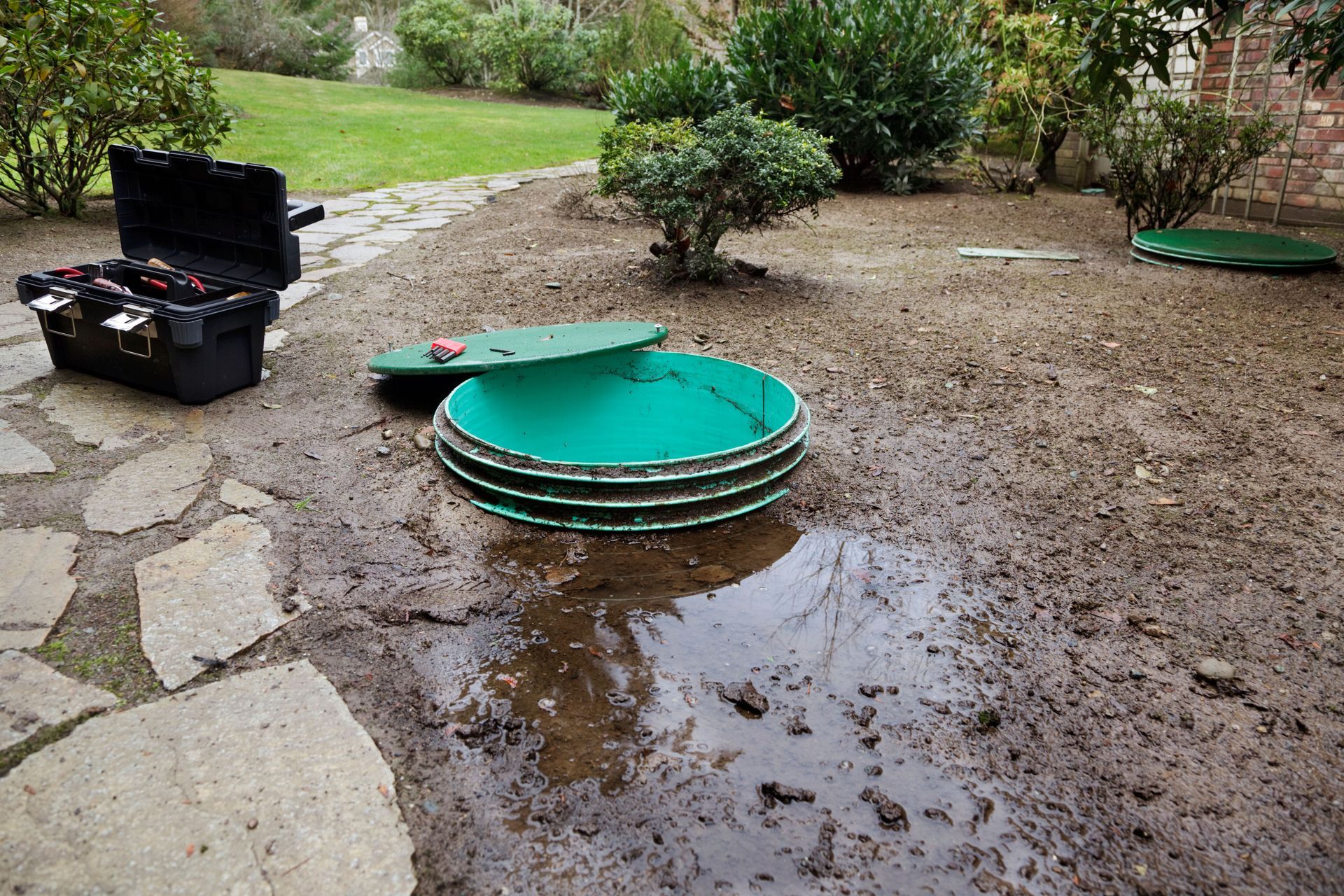
Pooling water or unusually lush patches of grass near the drain field can also signal trouble. When a septic tank becomes overloaded, untreated wastewater may begin to seep into the surrounding soil. This can create wet spots or cause vegetation to grow more rapidly due to the excess nutrients.
Frequent plumbing backups are one of the most serious indicators that septic tank pumping services are urgently needed. Wastewater backing up into sinks, tubs, or toilets can pose significant health risks and requires immediate professional attention.
What Are the Health and Environmental Impacts of Neglecting Septic Tank Maintenance?
Neglecting septic system maintenance can have serious consequences for both public health and the environment. When septic tanks are not pumped regularly, untreated or partially treated wastewater may escape the system and contaminate nearby areas.
Groundwater contamination is one of the most significant concerns. Many homes that rely on septic systems also rely on well water for drinking. If a failing septic system releases bacteria, viruses, or harmful chemicals into the groundwater supply, it can pose a direct threat to human health.
Exposure to contaminated water can lead to gastrointestinal illnesses and other infections. Children, elderly individuals, and those with weakened immune systems may be particularly vulnerable to these risks.
Environmental damage is another potential consequence of poor septic maintenance. Nutrients from untreated wastewater can enter lakes, rivers, and streams, contributing to algae blooms and disrupting aquatic ecosystems. These pollutants can reduce water quality and harm fish and wildlife populations.
Routine septic tank pumping services help prevent these outcomes by ensuring that waste is properly contained and treated. Maintaining your septic system is not only a matter of protecting your property—it is also an important step in preserving local water quality and environmental health.
How Do Routine Septic Tank Pumping Services Save Money in the Long Run?
While some property owners view septic maintenance as an expense, routine septic tank pumping services can actually lead to significant financial savings over time. Preventative care is almost always more affordable than dealing with major system failures.
When sludge and debris accumulate inside the tank, they can eventually clog pipes and damage the drain field. Repairing or replacing these components can be extremely costly, often requiring excavation and extensive labor. Regular pumping helps prevent these issues from developing in the first place.
Emergency repairs are another common expense that can be avoided with consistent maintenance. Septic backups, system collapses, and severe blockages often occur when a tank becomes overloaded. These emergencies typically require immediate professional intervention, which can be significantly more expensive than routine service appointments.
Routine septic tank pumping services also help extend the overall lifespan of the septic system. A well-maintained tank and drain field can function effectively for decades, while a neglected system may fail prematurely.
In addition, regular inspections performed during pumping visits can identify potential problems early. Technicians may notice signs of wear, small leaks, or developing blockages that can be addressed before they escalate into major repairs.
Routine local pumping services are an essential part of maintaining a reliable and efficient septic system. By scheduling regular
septic tank pumping services and staying alert to warning signs, property owners can prevent system failures, protect the environment, and reduce long-term repair costs. Proactive septic maintenance ensures that your system continues to operate safely and effectively for many years to come. If you need septic services, read on or contact Kevins Septic & Plumbing Service today!