July 20, 2026
Maintaining a healthy wastewater system is an essential part of responsible homeownership, yet many people feel uncertain about what happens when professionals arrive at their property. Understanding the comprehensive process can alleviate anxiety and help you prepare for this vital maintenance task. A routine septic tank service involves a meticulous series of steps designed to ensure your system operates efficiently and safely for years to come. By familiarizing yourself with standard procedures, you can appreciate the thoroughness of the work and recognize the value of professional intervention. From the moment technicians arrive to the final landscape restoration, every action is orchestrated to protect your property and prevent plumbing failures. Knowing what to expect allows you to approach your appointment with confidence, ensuring a stress-free experience that safeguards your home against messy and expensive backups.
Scheduling the Initial Consultation
Before physical labor begins, a thorough septic tank service always starts with a detailed consultation and preliminary assessment to set the stage. Technicians will typically ask about your household usage habits, recent plumbing issues, and the general history of your wastewater system. This conversation provides invaluable context that guides the rest of the appointment. Once professionals understand your specific situation, they conduct a visual sweep of the yard. They look for subtle warning signs like patches of overly lush grass, standing water, or faint odors that could indicate a hidden leak or an overwhelmed absorption field. This preliminary investigation helps technicians formulate a precise action plan tailored to your property. By gathering this crucial information upfront, the team ensures their subsequent actions are highly targeted, addressing both obvious concerns and underlying issues that might compromise the long-term functionality of your wastewater management setup.
Locating the Underground Components
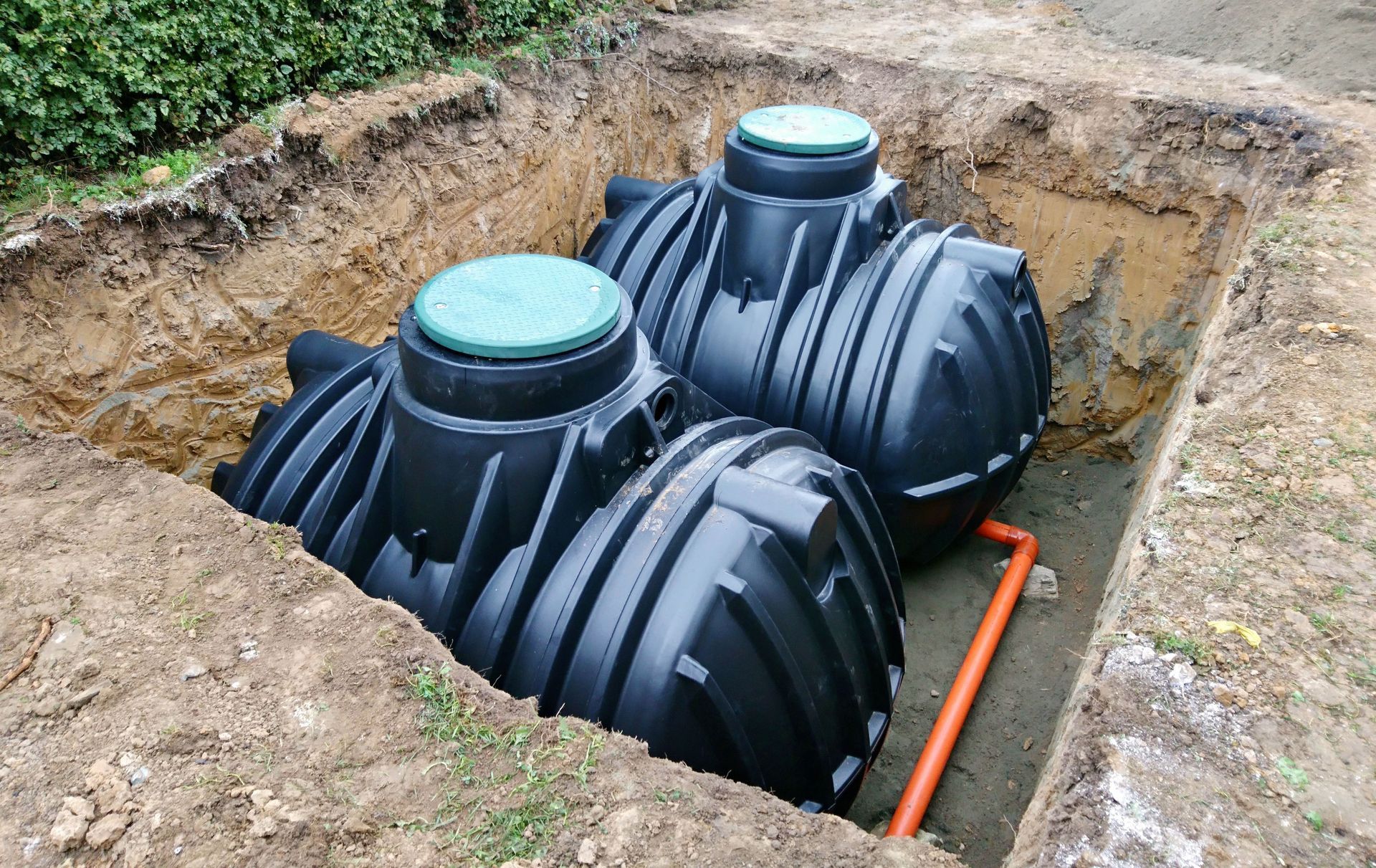
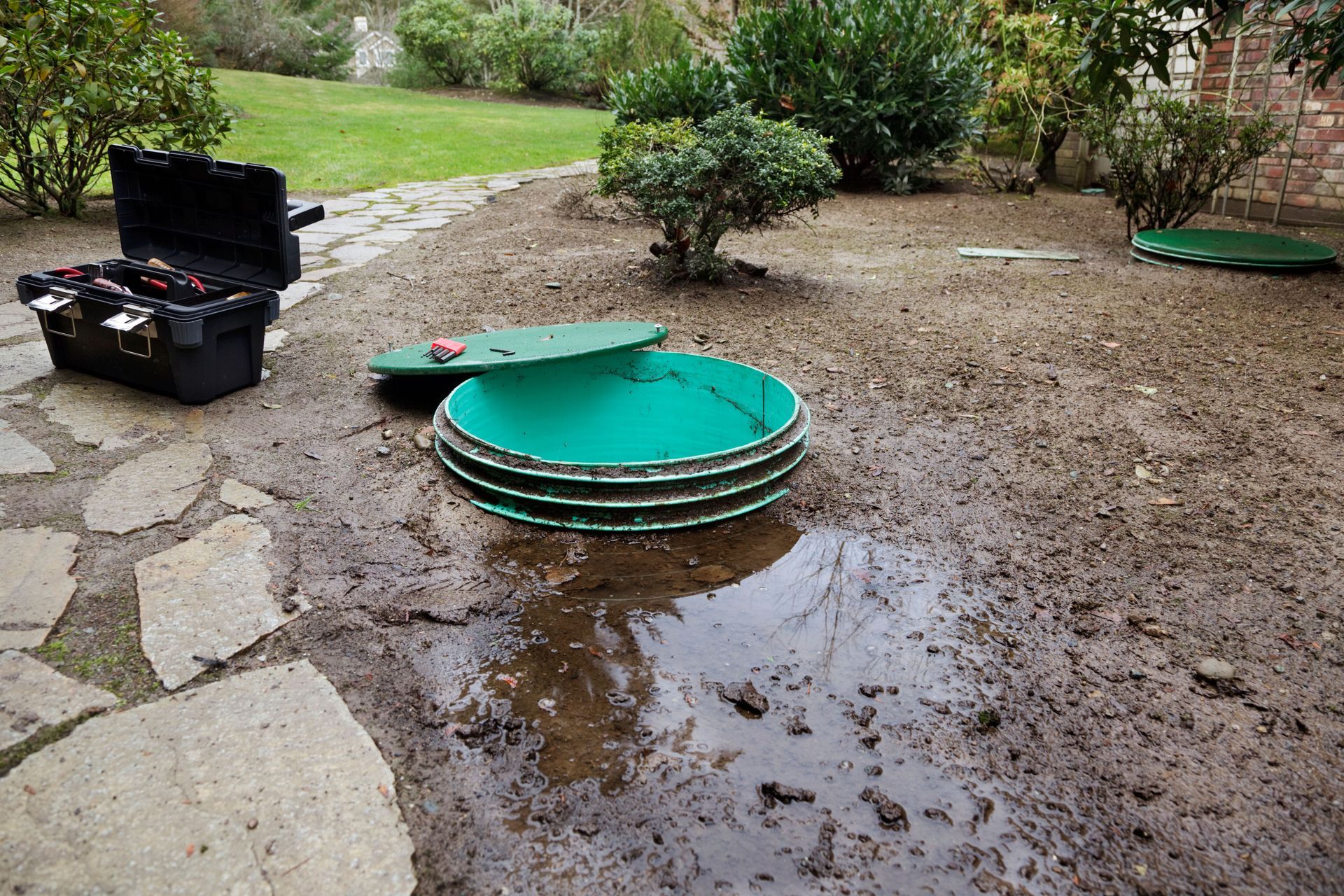
After the initial assessment, the next critical step involves precisely locating the buried structures. Many homeowners do not know exactly where their access lids are situated, especially if the property was recently purchased or the system has not been accessed lately. Technicians use specialized probing tools and flushable transmitters to map out the position of the main chamber and connecting pipes. Careful excavation is then performed to uncover primary access points without causing unnecessary damage to your lawn. Exposing these lids is a delicate process requiring patience and expertise to prevent cracking the concrete or plastic covers. Once the lids are safely removed, professionals can finally see inside the primary chamber, allowing them to measure liquid and solid levels and determine the exact condition of trapped waste before proceeding with heavy equipment.
Inspecting the Structural Integrity
With the lids removed and the interior exposed, a meticulous structural inspection takes place. This phase of a septic tank service is crucial for identifying early signs of deterioration before they turn into catastrophic failures. Technicians use powerful flashlights and small cameras to examine internal walls, looking for cracks, corrosion, or invasive tree roots that might have penetrated the vessel. They also pay close attention to the inlet and outlet baffles, which are vital components preventing solid waste from escaping into the delicate absorption field. If these baffles are missing or damaged, they must be replaced immediately to protect the system. Additionally, professionals evaluate the condition of pipes leading into and out of the chamber. According to HomeGuide, choosing a cheaper pipe like PEX can cut material costs nearly in half and last 30 to 40 years. Recommending durable replacement materials ensures lasting stability.
Pumping the Accumulated Waste
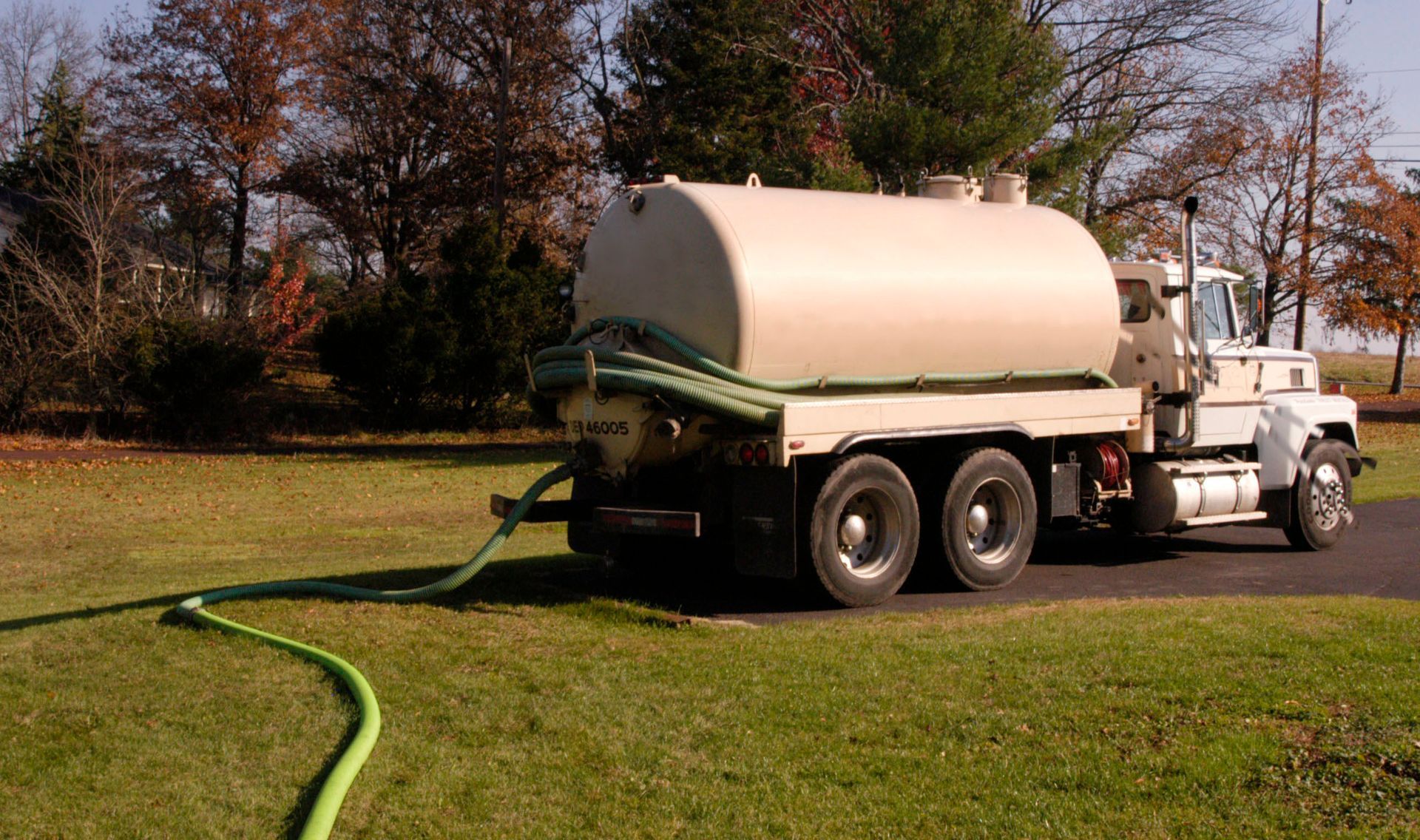
Once the structural assessment is finished, the heavy lifting officially begins. Technicians connect a large vacuum hose from their specialized truck directly to your underground chamber. This powerful suction equipment is designed to evacuate all separated layers of waste, including floating scum at the top, liquid effluent in the middle, and heavy sludge resting at the bottom. An effective septic tank service requires the complete removal of all these materials to restore the total capacity of the holding vessel. As the hose removes waste, technicians often use a muck rake to manually break up hardened sludge deposits, ensuring nothing is left behind. They may also backflush the system by temporarily pumping liquid back into the chamber to agitate stubborn debris. This intensive cleaning guarantees your system is completely emptied and ready to handle future household wastewater efficiently.
Cleaning the Internal Mechanisms
Beyond simply removing bulk waste, professionals also dedicate time to cleaning specific internal mechanisms essential for optimal performance. If your setup includes an effluent filter, this component is carefully extracted and thoroughly washed. The effluent filter acts as a critical barrier, trapping suspended solids and preventing them from migrating into the drain field, where they could cause permanent blockages. Rinsing this filter until it is completely clear of debris is a mandatory step in any high-quality septic tank service. Furthermore, technicians clear away any residual grime clinging to the baffles and interior walls of the chamber. Ensuring these specific parts are pristine allows wastewater to flow smoothly through the system without obstruction. This attention to detail prevents future clogs and extends the overall lifespan of your entire wastewater treatment network, protecting your property from unexpected backups.
Testing the Flow Capacity
After the pumping and cleaning phases are fully complete, it is vital to verify that plumbing lines are completely clear. Technicians will often ask you to run water from various sinks or flush toilets inside your house so they can observe the incoming flow at the chamber. They watch carefully to ensure liquid enters the vessel smoothly and consistently, without any gurgling or hesitation that might indicate a partial blockage in the main sewer line. This practical flow test is a fundamental part of a comprehensive septic tank service because it confirms that the connection between your home and the underground system is functioning perfectly. If flow is weak or obstructed, professionals can immediately address the hidden clog using specialized augers or high-pressure water jets. Verifying flow capacity guarantees your household plumbing will drain reliably once technicians pack up.
Finalizing the Site Cleanup
The concluding operational steps involve securing the system and restoring your yard to its original condition. Technicians carefully replace heavy access lids, ensuring they are perfectly sealed and locked down to prevent unauthorized access or accidental falls. Safety is a top priority, and a properly secured lid protects your family and pets from dangerous hazards. If lids had to be excavated, the team would meticulously backfill the soil and relay grass or turf over access points. A professional crew always strives to leave your property looking exactly as it did before they arrived, minimizing visual disruption to your landscaping. Once the physical site is secured and cleaned, the lead technician compiles a detailed report of the day's activities. This documentation provides a clear record of the system's condition and serves as a valuable reference for planning future maintenance.
Staying proactive with wastewater management is the most effective way to protect your property and ensure plumbing operates flawlessly. By understanding the rigorous steps involved in an appointment, you can appreciate the necessity of routine maintenance and approach it with complete confidence. Regular pumping, detailed inspections, and thorough cleanings all work together to prevent catastrophic failures and preserve the sanitary conditions of your home. Ignoring these necessary tasks can lead to severe structural damage, messy yard pooling, and expensive emergency repairs that disrupt your daily life. Do not wait for warning signs to appear before giving your system professional attention. Committing to a consistent maintenance schedule is an investment in the longevity and safety of your residence. Reach out to Kevin's Septic and Plumbing Service today to learn more and schedule your next comprehensive
septic tank service.