July 22, 2026
This post explores the vital role that a professional local septic tank service plays in maintaining the functionality, safety, and longevity of your septic system. Understanding the complexities and benefits of using expert services can save homeowners time, money, and stress.
Septic Tank Functionality
Septic tank systems serve as critical components in managing household wastewater. They collect, treat, and dispose of sewage on-site, allowing for a safe and efficient waste management process in areas without centralized sewage systems. A properly functioning septic system separates solids from liquids, with the latter being further treated and dispersed into the soil through the drain field. As a self-contained unit, septic systems require careful design and installation to function effectively and avoid troublesome issues. When homeowners understand how their septic tanks operate, they can better appreciate the need for professional maintenance services.
Effective septic tank functionality involves a well-coordinated series of biological processes. Once wastewater enters the tank, it begins the natural treatment cycle, where solids settle to the bottom, forming sludge, while oils float to the top as scum. Anaerobic bacteria within the tank play a crucial role in breaking down organic matter, helping to minimize the accumulation of waste. Regular pumping is essential to ensure excess sludge does not disrupt this process, which underlines the importance of ongoing maintenance. By comprehending these aspects, homeowners can appreciate how professional services can preserve their system's integrity.
Additionally, the functionality of a septic tank significantly influences its environmental footprint. A system designed to operate efficiently can reduce the potential for groundwater contamination and lessen its environmental impact. Leaching of untreated effluent into the soil can lead to significant ecological consequences, affecting water quality and public health. Recognizing these functional elements emphasizes the importance of engaging expert services to regularly inspect and maintain the system. Thus, understanding septic tank functionality goes hand-in-hand with the realization of its broader ecological responsibilities.
Components of a Typical Septic System
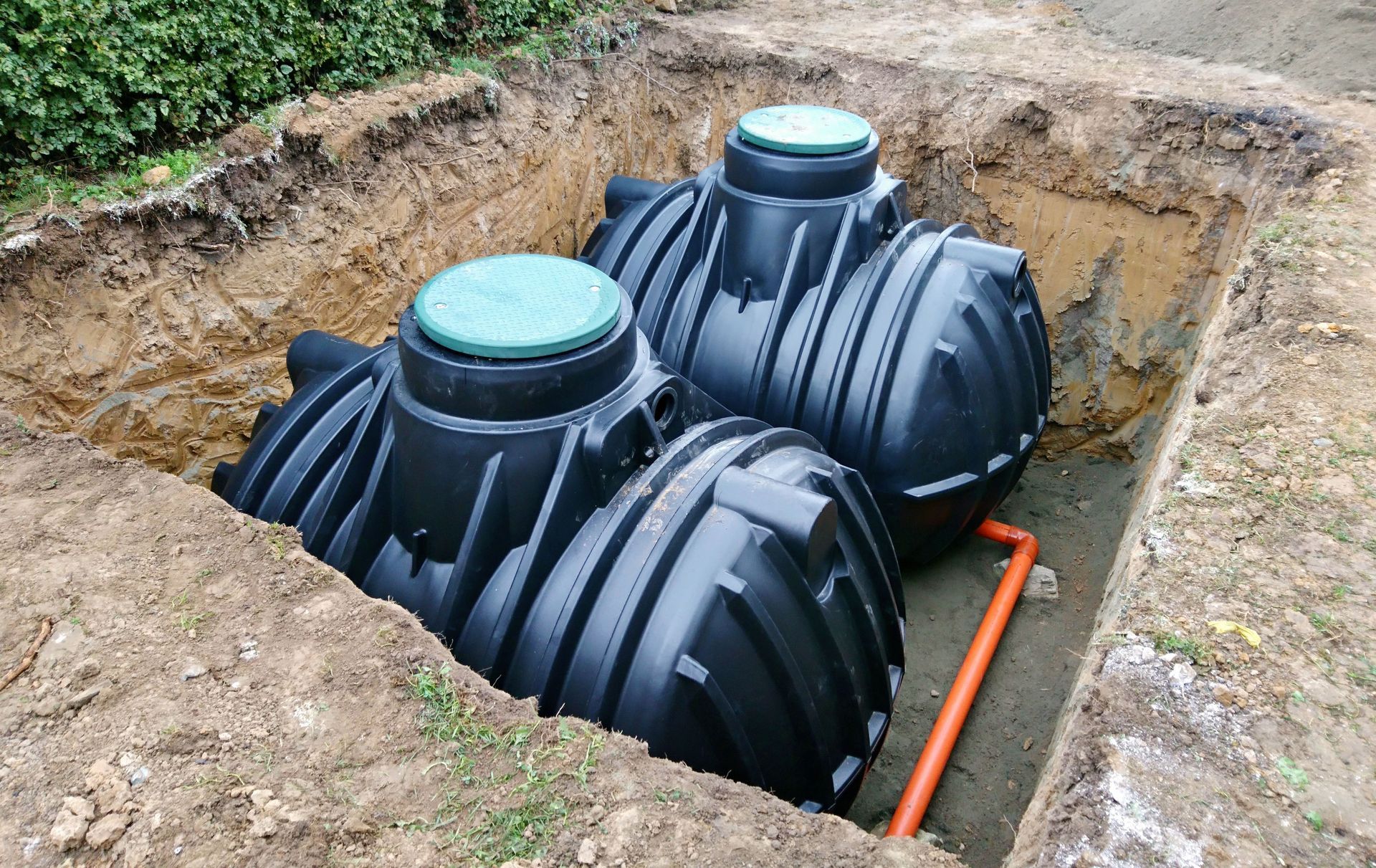
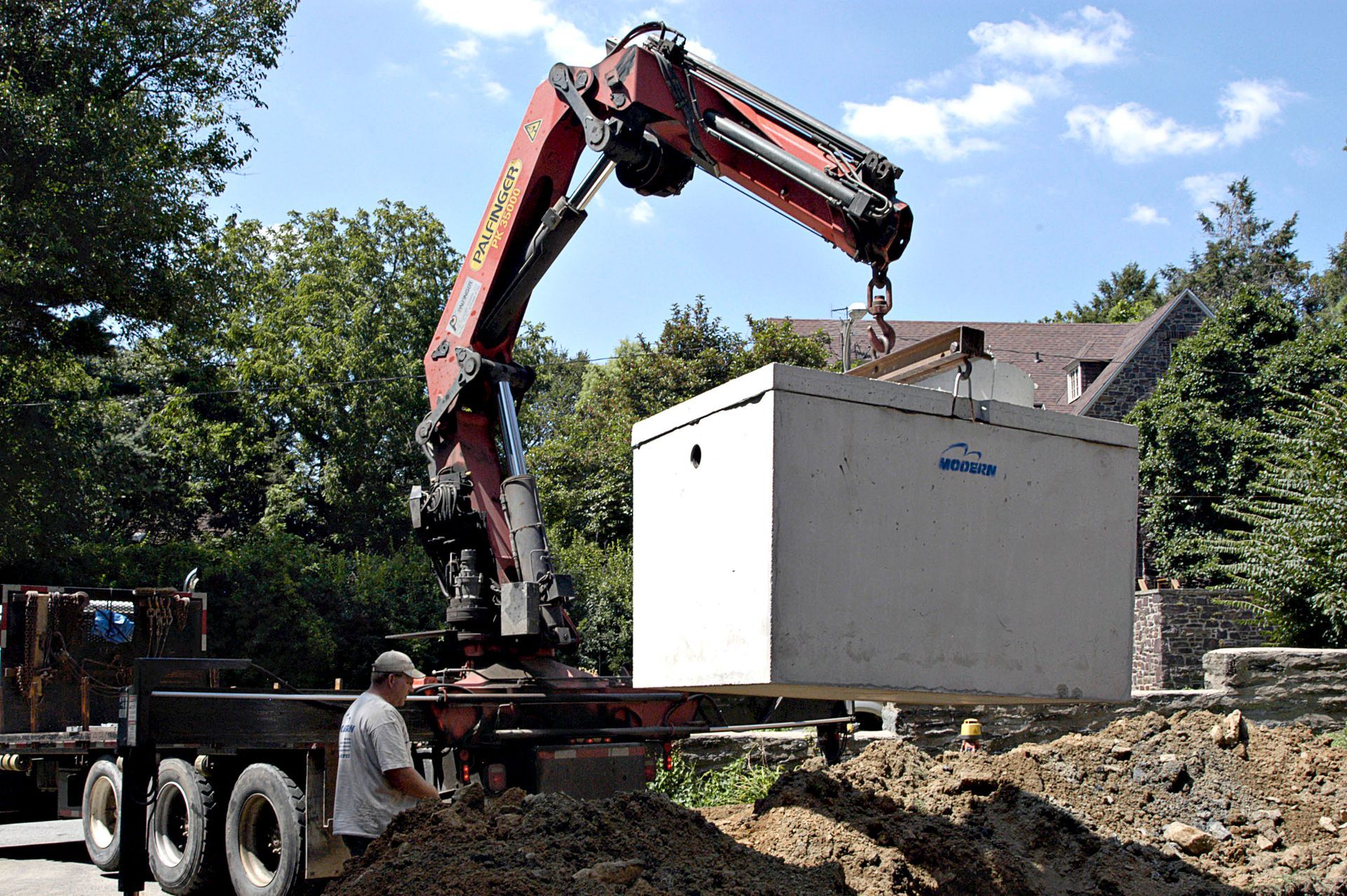
A septic system consists of several integral components that work together to manage wastewater effectively. The primary component is the septic tank itself, typically made from concrete, fiberglass, or plastic, where the initial treatment of sewage occurs. Following the tank is the drain field, a network of perforated pipes that disperses effluent into the surrounding soil, allowing for natural filtration. Additional elements can include baffles or tees inside the tank to control the flow of wastewater and prevent clogging. By understanding each part of the system, homeowners can better grasp the necessity of regular professional service to keep everything running smoothly.
The quality and condition of these components significantly influence the overall lifespan of a septic system. With proper maintenance, a concrete septic tank typically lasts 20 to 30 years, according to HomeGuide, but its precise longevity ultimately depends on its quality, soil environment, and the number of users. Compromised or malfunctioning components can lead to significant issues, such as the backflow of sewage or environmental contamination. Regular inspection by professionals is crucial to identify wear and tear early, enabling timely repairs or replacements. This proactive approach helps maintain the system's efficiency and extend its operational life.
Furthermore, the type of soil and its absorption capacity are often equal components of a septic system. Not all soil types are suitable for effective filtration, with clayey or compacted soils posing possible hazards for effluent dispersal. Awareness of the site's specific characteristics helps in selecting appropriate materials and system designs during installation and in scheduling appropriate maintenance. Professionals familiar with local conditions can provide invaluable advice in this area, preventing future complications. Thus, comprehensive understanding and service of the components aids in maintaining a safe, dependable septic system.
Importance of Regular Maintenance
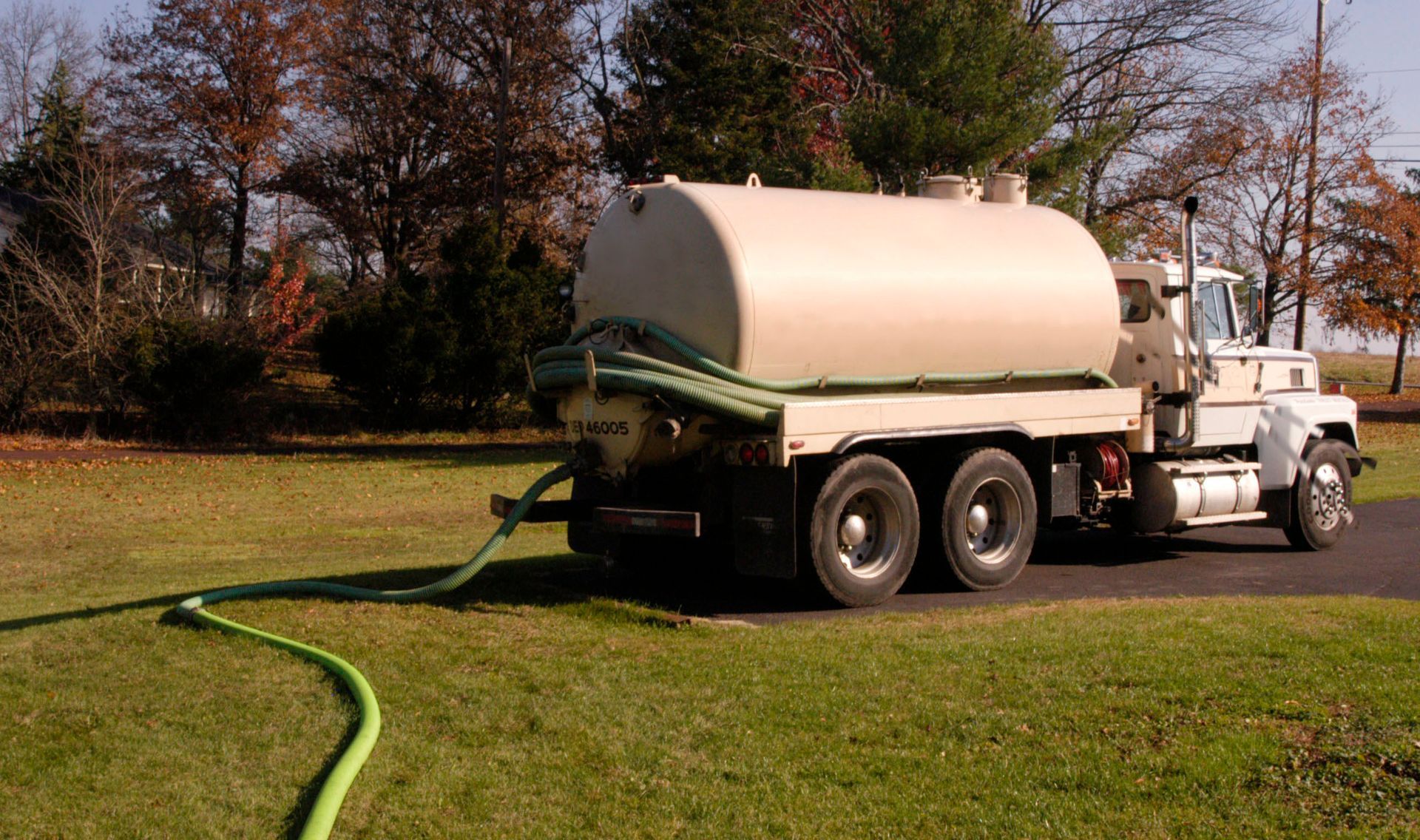
Regular maintenance of a septic system with a local septic tank service is indispensable to its longevity and proper functioning. Routine inspection and servicing help identify potential problems before they escalate into costly repairs. Without regular pumping and cleaning, solids accumulate and can cause blockages, leading to the system's failure. Maintenance checks also provide an opportunity to identify minor issues, such as cracked pipes or malfunctioning valves that can promptly be addressed. Engaging professional services ensures that maintenance is conducted with the expertise and equipment needed to sustain the system's health.
In addition, maintenance is crucial for preventing environmental damage. Properly functioning septic systems act as barriers against waste entering and contaminating the groundwater. Unchecked systems may contribute to nutrient loading, which can lead to the proliferation of harmful algal blooms in nearby water bodies. By adhering to a regular maintenance schedule, homeowners actively participate in environmental protection. Thus, regular maintenance is an investment in not just individual property health but also broader community well-being.
Consistency in maintenance also yields significant cost benefits over time. Preventive maintenance often mitigates the risk of overwhelming septic failures, which demand expensive emergency interventions or even complete system overhauls. Homeowners who prioritize regular maintenance can maximize their system's lifespan, thus postponing the expensive need for replacements. Professionals can provide tailored maintenance schedules based on individual system use and environmental conditions, ensuring cost efficiency. Therefore, consistent maintenance safeguards against unexpected expenses while ensuring long-term operational effectiveness.
Common Issues in Septic Tanks
Septic systems, though robust, are not immune to issues that can impede their function. One common problem arises from a lack of routine maintenance, leading to sludge overflow and eventual system failure. Trees planted too close to the septic system can pose serious threats as their roots invade, clogging pipes and even causing structural damage. Additional problems can arise from improper use, such as flushing non-biodegradable materials down the drain, which may lead to blockages. These issues necessitate the guidance and intervention of professional services to prevent complex or long-term damage.
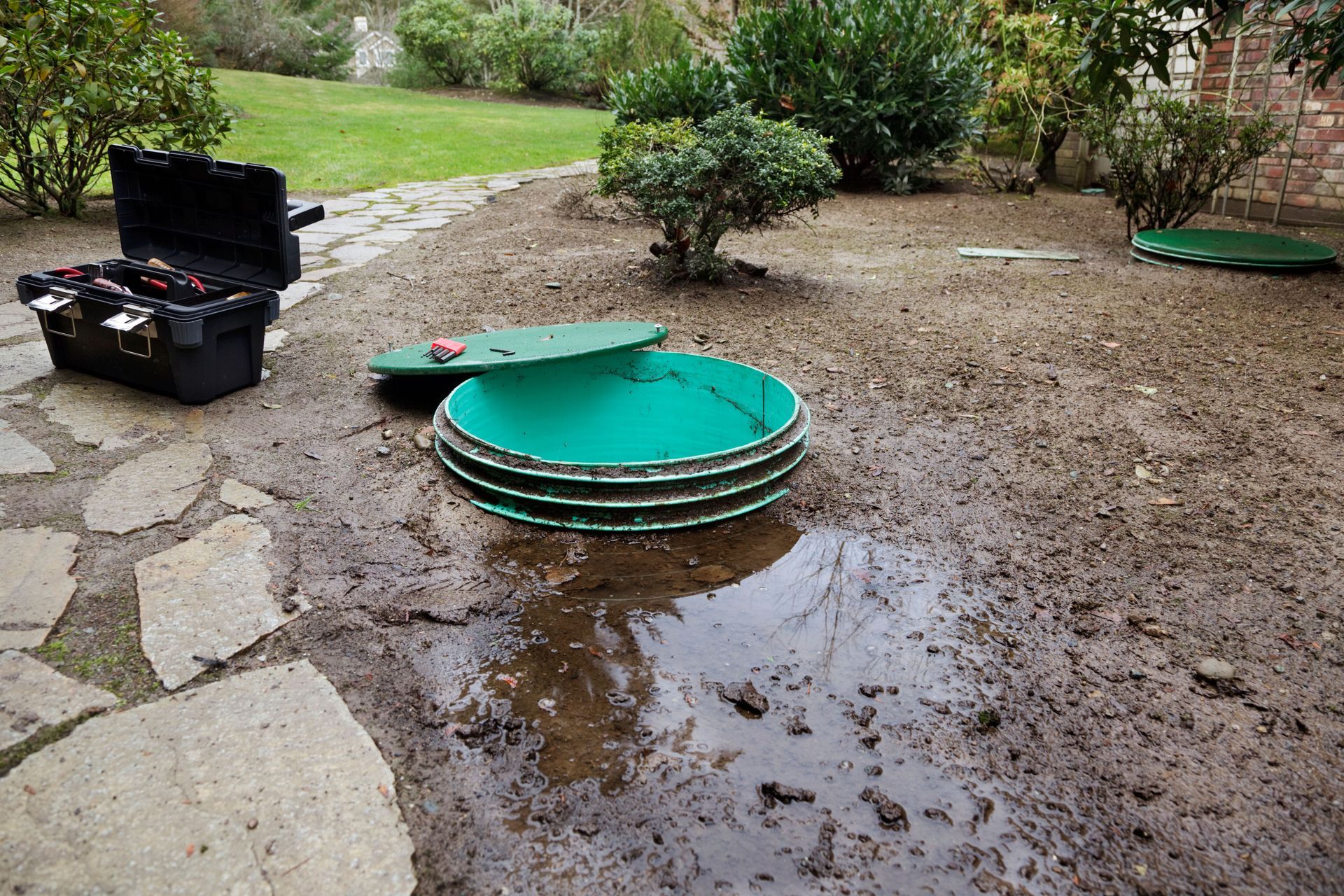
Environmental factors also contribute significantly to common septic issues. Changes in water table levels can impact the drain field's ability to absorb and treat effluent properly. Heavy rainfall or flooding can saturate the soil, causing the drainage area to be less effective or sometimes completely overrun with water. Through regular professional inspections, potential environmental impacts can be evaluated, and corrective measures can be discussed and implemented before problems occur. Proactive professional management with a local septic tank service ensures system resilience against environmental factors.
Environmental Impact of Septic Systems
Septic systems, when properly managed with a local septic tank service, have relatively minimal environmental impact. However, failing systems can pose significant ecological dangers by contributing to groundwater pollution. Effluent from malfunctioning systems can introduce pathogens and harmful chemicals into water supplies, affecting both human health and aquatic ecosystems. Regularly serviced systems help assure communities that the environmental footprint remains low and local ecosystems are not adversely affected.
Furthermore, contributing to global sustainability, well-maintained septic systems reduce the risk of polluting effluent entering sensitive ecosystems. As natural habitats face increasing stress from human activity, robust sewage management systems play a crucial role in minimizing their footprint. Professionals can offer suggestions for environmentally friendly upgrades, such as energy-efficient pumps or filtering systems, reflecting the commitment to sustainable living.
A professional local septic tank service is essential for safeguarding your system's functionality and longevity. Regular, expert maintenance prevents costly failures, protects vital components, and minimizes common operational risks. By prioritizing routine care, homeowners actively shield their properties from unexpected expenses while ensuring critical environmental protection for the broader community. For a local septic tank service, contact Kevin's Septic and Plumbing Service today.