January 21, 2026
Maintaining a septic system is a critical responsibility for homeowners and businesses alike. Choosing the right provider starts with knowing what questions to ask and how to evaluate the answers. A well-informed approach helps ensure your system operates efficiently, avoids unnecessary disruptions, and supports long-term performance.
Working with experienced local septic tank services providers allows you to address maintenance, repairs, and preventative care with confidence. The following questions are designed to guide your evaluation process and help you identify a provider equipped to meet your needs with professionalism and consistency.
1. Identify the Services Offered
Understanding the full range of services a provider delivers is essential before making a commitment. Some companies focus on pumping and routine maintenance, while others offer inspections, repairs, system upgrades, and new installations. A comprehensive service lineup ensures your septic system can be supported throughout its entire lifecycle. When comparing local septic tank services, prioritize providers capable of handling both routine and complex needs.
Specialization also matters when evaluating available services. Certain systems require advanced knowledge, such as aerobic treatment units or customized drainage solutions. Providers who demonstrate familiarity with various system types are better positioned to manage unique challenges. Their expertise should align with your specific setup to ensure efficient care and accurate problem resolution.
Emergency support is another critical consideration. Septic issues rarely follow a convenient schedule, and unexpected failures can lead to health risks or property damage. Reliable local septic tank services providers should clearly explain their emergency response availability, including how quickly they can mobilize resources and resolve urgent situations.
Maintenance frequency recommendations further reflect a provider’s experience. Rather than offering generic timelines, reputable companies tailor service schedules based on usage patterns, system design, and environmental factors. These personalized recommendations reduce the likelihood of premature wear and unexpected failures.
Finally, ask about service packages and customization options. Bundled plans that include inspections, maintenance, and priority support can streamline system care. Flexible offerings indicate a provider’s willingness to adapt services to evolving client needs while maintaining consistent system performance.
2. Verify Licensing and Professional Credentials
Licensing is a fundamental indicator of legitimacy and regulatory compliance. Septic work is governed by local and state requirements, and providers should hold all applicable licenses to operate legally. Verifying these credentials helps protect property owners from substandard workmanship and potential liability issues when hiring local septic tank services.
Industry certifications further demonstrate a commitment to professional standards. Providers who pursue additional credentials often undergo specialized training and evaluations. These certifications signal ongoing engagement with best practices and evolving techniques within the septic service industry.
Insurance coverage is another essential safeguard. Liability insurance and workers’ compensation protect both the provider and the client in the event of accidents or property damage. Confirming adequate coverage ensures you are not exposed to unnecessary financial risk during service or repairs.
Ongoing training reflects a provider’s dedication to improvement. Septic technology and environmental regulations continue to evolve, and professionals who invest in education are better prepared to offer effective solutions. Continuous learning enhances diagnostic accuracy and service efficiency.
Environmental compliance should also factor into your decision. Providers must follow regulations designed to protect soil and water quality. Environmentally responsible local septic tank services providers incorporate sustainable practices that support both system performance and community well-being.
3. Evaluate References and Customer Feedback
References provide valuable insight into a provider’s reliability and service quality. Speaking directly with previous clients allows you to assess whether the company consistently meets expectations. Established local septic tank services providers should be willing to share references that reflect successful projects and long-term client relationships.
Online testimonials offer additional perspective. Reviewing feedback across multiple platforms helps identify patterns related to responsiveness, workmanship, and professionalism. In a market where septic systems remain a dominant solution—according to Coherent Market Insights, septic tanks represented over 40% of the septic solutions market in 2025—service quality plays a significant role in customer satisfaction.
Ratings should be interpreted thoughtfully. High scores suggest positive experiences, while occasional negative reviews may highlight isolated issues. Understanding the context behind feedback helps distinguish systemic problems from one-time concerns. Looking for consistent patterns in comments can provide a clearer picture of a provider’s overall reliability and service quality.
Word-of-mouth recommendations often carry added weight. Neighbors or colleagues who have worked with local septic tank services providers can share candid experiences that may not appear in online reviews. These personal insights can help narrow your options more efficiently.
Finally, observe how providers address criticism. Companies that respond constructively to negative feedback demonstrate accountability and a commitment to improvement. Their approach to resolving concerns often reflects their broader customer service philosophy.
4. Assess Repair and Issue Management
Effective issue management begins with accurate diagnosis. Common septic problems, such as drainage issues or odors, require a systematic troubleshooting approach. Skilled local septic tank services providers should clearly explain how they identify root causes and implement solutions.
Repair strategies vary depending on system design and severity of the issue. Advanced tools, such as inspection equipment and modern repair techniques, can improve accuracy and efficiency. Providers who adapt their methods to specific situations demonstrate technical proficiency.
Timeliness is another critical consideration. Prompt repairs minimize disruption and prevent minor issues from escalating. Discuss expected timelines and how providers manage delays caused by external factors. Clear scheduling practices indicate how well a provider organizes labor and resources. Consistent follow-through on timelines also reflects professionalism and respect for the client’s time.
Warranties and guarantees offer additional reassurance. Providers who stand behind their work demonstrate confidence in their repairs. Understanding warranty terms helps clarify expectations and long-term support. Ask whether warranties cover both labor and materials to avoid confusion later. Well-defined guarantees can reduce future risk and add lasting value to the service provided.
Communication throughout the repair process is equally important. Regular updates keep clients informed and involved in decision-making. Transparent communication strengthens trust and ensures alignment from diagnosis to completion.
5. Review Preventative Maintenance Guidance
Preventative maintenance is key to extending septic system lifespan. Providers should outline routine practices that support consistent performance and reduce emergency repairs. Proactive local septic tank services emphasize prevention as much as repair.
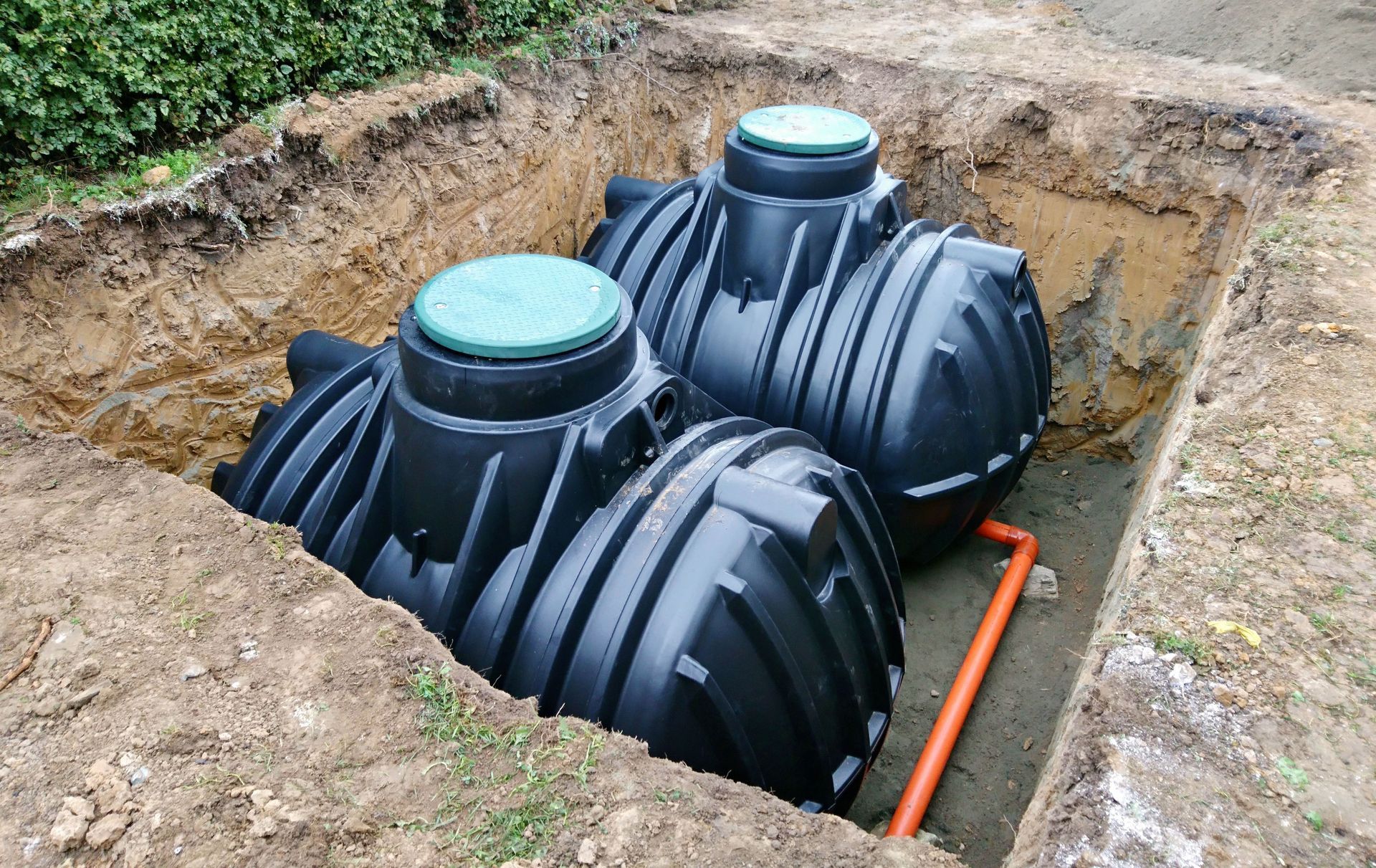
Understanding system components enhances maintenance effectiveness. Providers who clearly explain how tanks, pipes, and drainage fields function empower clients to recognize potential issues early.
Environmental and usage considerations also influence maintenance needs. Soil conditions, climate, and usage patterns affect system performance, and recommendations should reflect these variables. Customized guidance ensures maintenance plans remain relevant and effective.
Recognizing early warning signs is another critical aspect of prevention. Providers should educate clients on indicators that warrant professional attention, supporting timely intervention and cost control.
Scheduled professional maintenance is essential for preserving septic system performance and preventing unexpected failures. Providers should emphasize the importance of regular inspections and service intervals performed by trained technicians. Relying on professional oversight ensures issues are identified accurately and addressed before they develop into costly repairs.
Selecting the right local septic tank services provider requires thoughtful evaluation and informed questioning. By exploring services, credentials, pricing, repair strategies, and maintenance guidance, property owners can make confident decisions that support long-term system reliability.
When you are ready to work with a provider that prioritizes clear communication and comprehensive care, we invite you to contact us at Kevin’s Septic & Plumbing Service, where we are committed to helping our clients protect and maintain their septic systems with dependable, professional service.